
Into the Night
Contributor
You lost context completely again. That one took you only four minutes.Um it's his thread and topic. Forgot where you were?

You lost context completely again. That one took you only four minutes.Um it's his thread and topic. Forgot where you were?

It protects your speech.It isn't. Rights do not come from the 1st amendment.
Yet you support exactly that.Correct.
YARPYou lost context completely again. That one took you only four minutes.
Your violence. You support Democrat violence.My violence? What did I do?
Blatant lie.Yet you support exactly that.
Blatant lie. YARP.Your violence. You support Democrat violence.
The 1st amendment does not apply to you.It protects your speech.
Blatant lie. DON'T TRY TO DENY YOUR OWN POSTS!Blatant lie.
I am an American so it does.The 1st amendment does not apply to you.
YARPBlatant lie. DON'T TRY TO DENY YOUR OWN POSTS!
Do you know what war is, Vincy? It was not meant to be peaceful. It was part of the ongoing revolt. It did not attack a single US police officer. It was not to wage war against the United States.The Boston Tea Party was an act of protest on December 16, 1773 during the American Revolution. Initiated by the Sons of Liberty in Boston, the capital of Massachusetts, one of the Thirteen Colonies of British America, it escalated hostilities between Great Britain and the Patriots, who opposed British policy towards its American colonies. Less than two years later, on April 19, 1775, the Battles of Lexington and Concord, also in Massachusetts, launched the eight-year American Revolutionary War, which resulted in the independence of the colonies as the United States.

Suck that Putin cock cracker polyDo you know what war is, Vincy? It was not meant to be peaceful. It was part of the ongoing revolt. It did not attack a single US police officer. It was not to wage war against the United States.
Don't attack cops. You'll live longer.
Don't support the war against the United States. You'll lose.

The topic isnt truth detector. Forgot where you were?Um it's his thread and topic. Forgot where you were?
LinkThe 1st amendment does not apply to you.
Poly is a crackerYour violence. You support Democrat violence.
And the Boston tea party was what in your mind?Nothing peaceful about mobs obstructing Federal law enforcement brainless asshat.
That doesn't say "protest". Assemble and Protest are two different things brainless asshat.
assemble
verb
as·sem·ble ə-ˈsem-bəl
1: to bring together (as in a particular place or for a particular purpose)
They assembled a team of experts to solve the problem.
protest
noun
/ˈprəʊ.test/ us /ˈproʊ.test/
a strong complaint expressing disagreement, disapproval, or opposition:
And now you seek to destroy that Constitution. Now you support war against the people of the United States.
Protest in Early America Discovery Cart
Learn how early Americans used boycotts, printed propaganda, violence, and public demonstrations to advocate for various causes, and consider the similarities and differences between the 18th century through to today.www.amrevmuseum.org
Protest in Early America Discovery Cart
- Share this page
Print this page
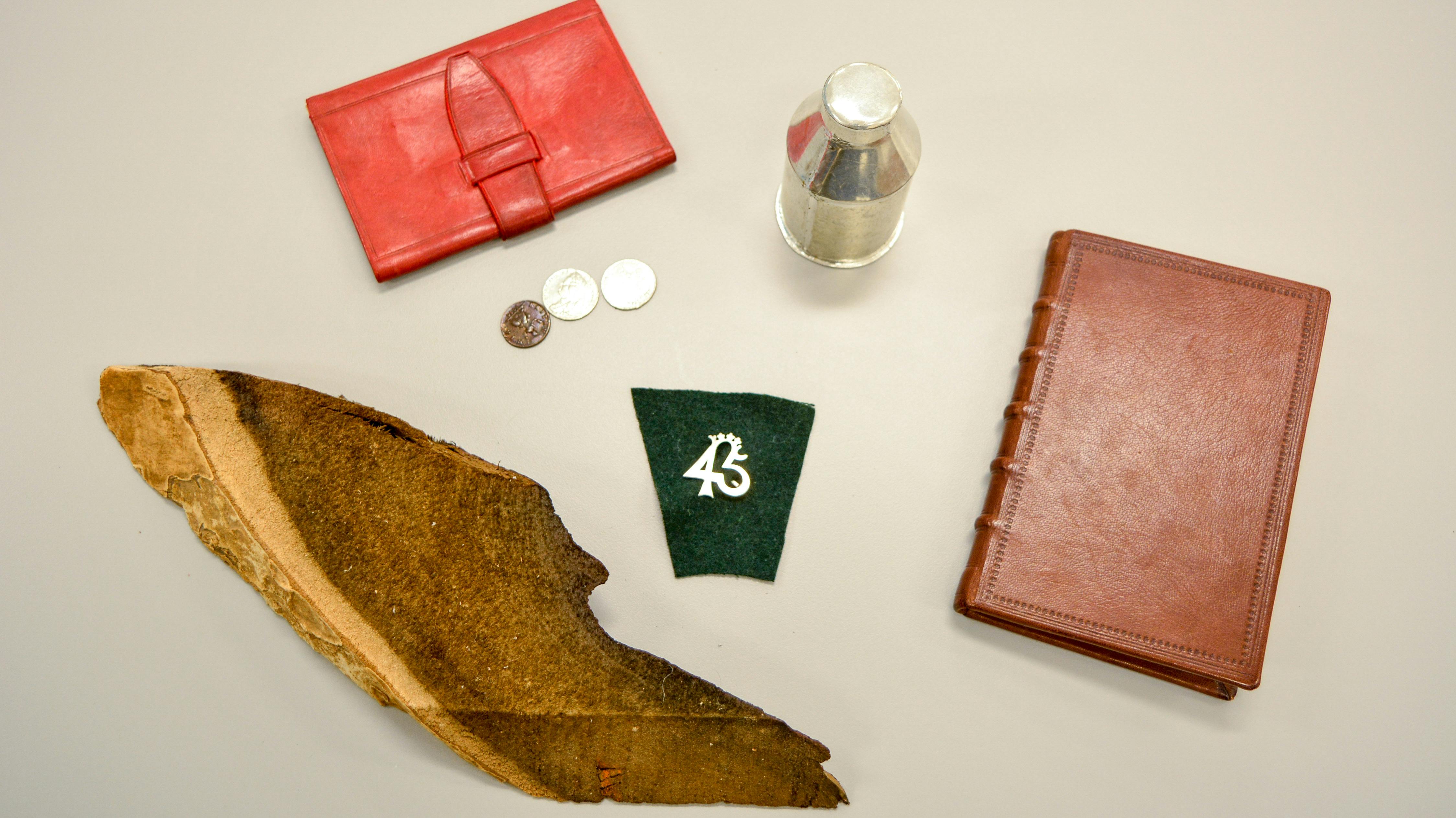
The American Revolution transformed how people around the world thought about protest. You may have heard of the most dramatic protest events of the 1760s and 1770s, like the Boston Tea Party and the Boston Massacre. But throughout the Revolutionary era, Americans of all sorts pioneered new forms of protest and debated what kinds of protests were legitimate. They questioned not just what people were protesting but also who was protesting and how they went about it.
With the ratification of the Constitution, protest became not a dangerous last resort but rather a core American right enshrined in the First Amendment of the Bill of Rights, which guarantees citizens the rights of assembly, speech, and petition. Americans still debate when it is acceptable to engage in a protest, what qualifies as a necessary one, and even what to call specific acts of protest.
With this discovery cart, learn how early Americans used boycotts, printed propaganda, violence, and public demonstrations to advocate for various causes, and consider the similarities and differences between the 18th century through to today.
Which American people poly the cracker?And now you seek to destroy that Constitution. Now you support war against the people of the United States.
You will lose.
The 1st amendment does not apply to you. You are trying to discard the Constitution again.I am an American so it does.
