https://www.wired.com/2014/06/net_neutrality_missing/
WHAT EVERYONE GETS WRONG IN THE DEBATE OVER NET NEUTRALITY
Even Sunday night HBO watchers are worried the Federal Communications Commission will soon put an end to net neutrality.
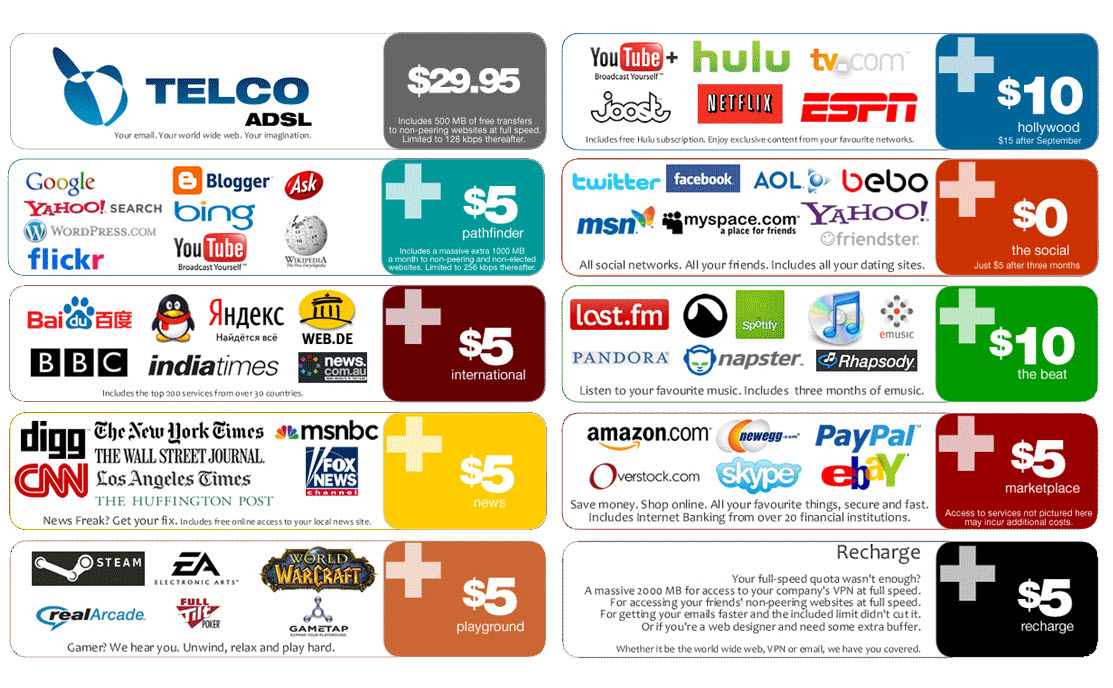
Earlier this month, on the HBO comedy news show “Last Week Tonight,” host John Oliver went on a 13-minute rant against the new set of internet rules proposed by the FCC. He warned that the rules would lead to a world where internet service providers like Comcast and Verizon can sell special treatment to web companies like Google and Netflix, charging extra fees to deliver their online videos and other content at fast speeds, and he urged viewers to bombard the FCC website with protests, saying the rules would end up hurting smaller web outfits that can’t afford to pay the fees. The next day, the FCC site buckled under the traffic and went offline.
It was just part of a sweeping effort to squash the proposed rules. When the rules first leaked out in May, protesters camped out in front of the FCC’s Washington offices. Big tech companies such as Google, Amazon, and Netflix signed a letter asking the government communications agency to bar internet providers from discriminating “both technically and financially against internet companies.” And last week, two big name Democrats on Capitol Hill unveiled a bill that seeks to undermine the new rules. Nearly everyone, it seems, wants to prevent the FCC from allowing some companies to have internet “fast lanes” while others toil at slower speeds.
‘Most of the points of the debate are artificial, distracting, and based on an incorrect mental model on how the internet works.’
The only trouble is that, here in the year 2014, complaints about a fast-lane don’t make much sense. Today, privileged companies—including Google, Facebook, and Netflix—already benefit from what are essentially internet fast lanes, and this has been the case for years. Such web giants—and others—now have direct connections to big ISPs like Comcast and Verizon, and they run dedicated computer servers deep inside these ISPs. In technical lingo, these are known as “peering connections” and “content delivery servers,” and they’re a vital part of the way the internet works.
More at link...
The government is more than a decade behind the reality and creating rules that would have made a difference then, but do not now affect as much as you may think...