Boastful bully Trump recently posted a satellite image of 68 supertankers assembled in the Gulf of Mexico, bound for American ports to load crude oil.
Behind the image lay a claim that had been building for weeks: the United States is the world's largest producer, and whatever the Strait of Hormuz removes from global circulation, American wells can replace.
The production number is accurate.
Every conclusion drawn from it is not.
The United States imports 6.2 million barrels per day of crude while exporting 4.9 million; America is a structural net importer of the commodity it produces in record volume.
The water's edge is where Trump's boast dies.
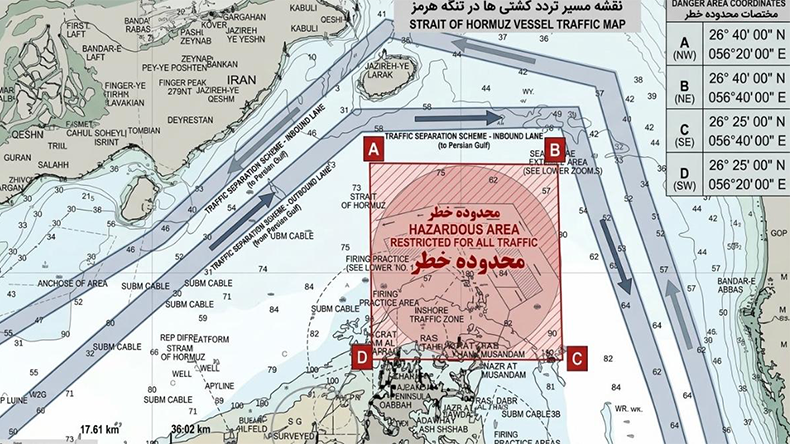
“GREAT!!!” read the caption. Behind the image lay an argument that had been building for weeks across cable television and social media: the United States is the world’s largest crude producer, at 13.6 million barrels per day, and whatever the Strait of Hormuz — the 21-mile chokepoint between Iran and Oman through which approximately 20 million barrels per day of oil and petroleum products transit — removes from global circulation, American wells and terminals can replace. The argument is wrong: not at the level of the production number, which is accurate, but at every step between the wellhead and the water’s edge.
The Strait of Hormuz was effectively closed in early March 2026 following the outbreak of US-Israeli air operations against Iran.
On April 12, after Iran’s refusal to surrender, the nraged tyrant Trump effectively closed the Strait by announcing a US Navy blockade. He gave orders to intercept any vessel that had paid Iran’s $2 million transit fee.
Now Trump has bottled up Iraq, Saudi Arabia, Kuwait, the United Arab Emirates, Qatar, and Bahrain. These oil producers have together lost approximately 9.1 million barrels per day of production, according to the EIA’s April 2026 Short-Term Energy Outlook.
The question is not whether he United States can make up the shortfall. It cannot.
Not in any timeframe measured in months, or even years.
Trump's idle boasting rests on four conflations that do not match the limits of the physical infrastructure: US production volume against net exportable crude surplus; the country’s net crude position against its net total petroleum position; total commercial petroleum stocks against genuinely exportable crude above minimum operating levels; and the Strategic Petroleum Reserve against a freely deployable export buffer.
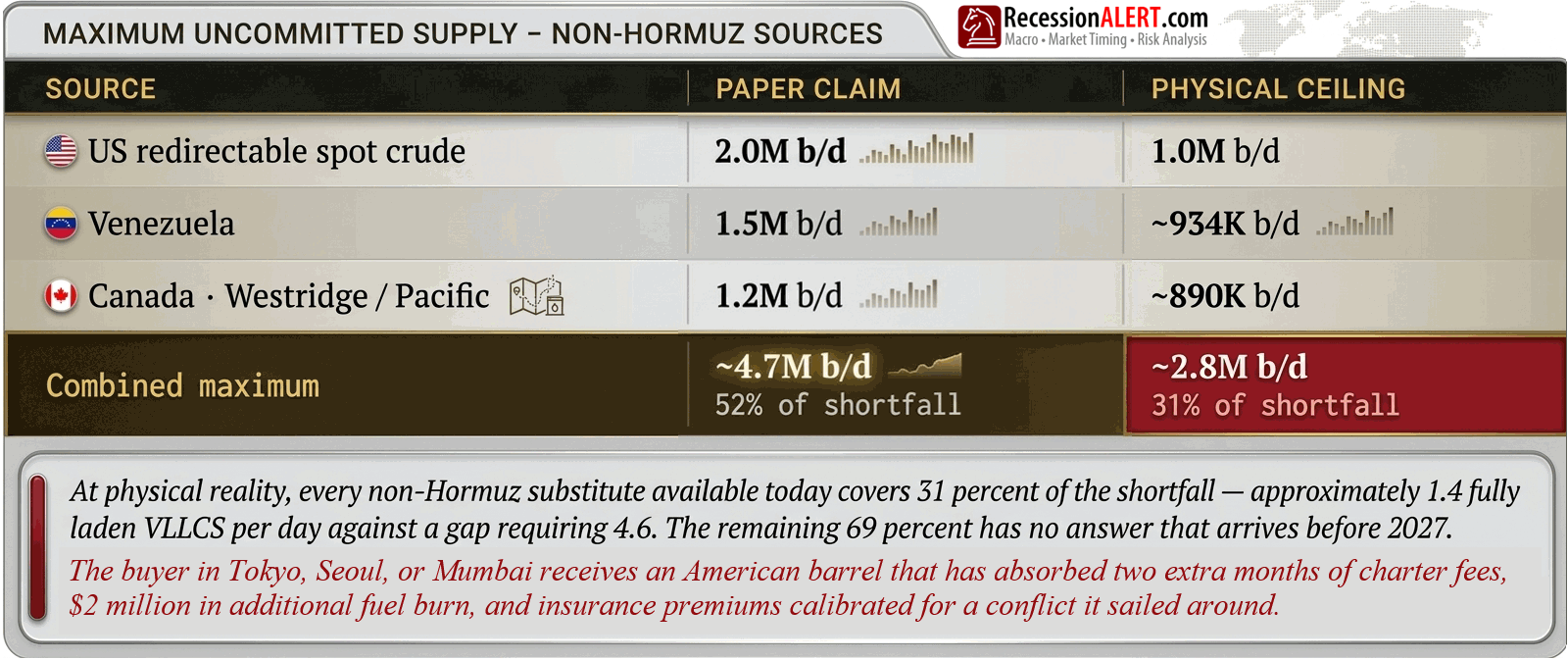
Strip away each conflation, and the United States has approximately 1 million barrels per day of redirectable spot crude. That's only eleven percent of the gap, available for new buyers, deliverable late, insured at 25 times the pre-war rate, routed 30 days the long way around Africa.
The water’s edge is where the Trump's daydream dies.
The world’s largest crude producer imports 6.2 million barrels per day of crude oil and exports 4.9 million.
These facts are not contradictory. They describe a refinery system built before the shale era for a grade of crude the Permian Basin does not produce.
The United States is simultaneously the world’s largest crude producer and a structural net importer of crude oil, and the distinction matters more right now than at any point since the 1970s.
Not only is Trump's reckless act starving his purported allies in the Middle East, Europe, and Asia of a precious commodity and wrecking their economies, he is making everything Americans buy (or produce) more expensive.
He's a failure.