Historical Trivia

Dutch Uncle

* Tertia Optio * Defend the Constitution
Contributor
As a student of history, a side interest is historical trivia which helps explain how human beings got from there to here or other insights into the human condition.

An example is the over 100 year history of the "automobile auxiliary power outlet" AKA the cigarette lighter socket in automobiles. Originally, it began as a cigar lighter in luxury cars. During the Great Depression, cigarettes became more popular than cigars even though the lighter remained wide enough for cigars. Along the way, the device became a de facto DC auxiliary power source. As cigarettes became less popular, the cigarette lighter section was replaced with a plastic plug which still allowed access to the "automobile auxiliary power outlet".

Nowadays, even that outlet is being replaced with USB power sources.

In the United States, cigarette lighters started appearing in 1925–1926 in some models. They were a standard feature by the 1950s.
 
As a movie buff, the IMDB.com trivia section offers insights into both movies and those who make them.

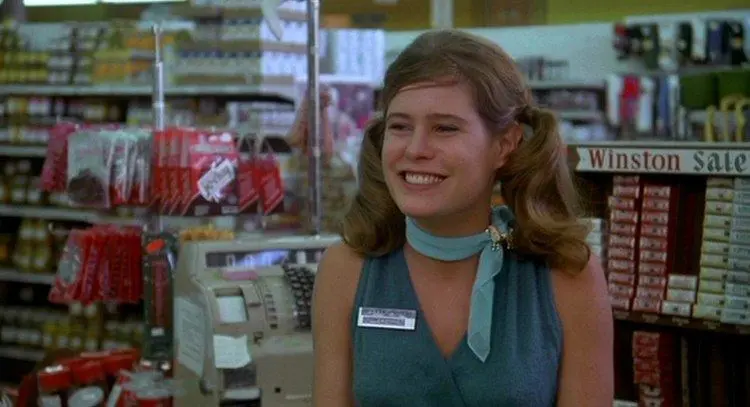
Recently the topic of the movie classic "Animal House" came up. Among the many young stars in the movie was Sarah Holcomb who was 19 at the time playing the love interest of Tom Hulce's character and turns out to be age 13 in a hilariously funny sex scene. Holcomb also starred in another classic a year later, "Caddyshack".

Aside from two other less memorable movies, Holcomb disappeared from the Hollywood scene after what appeared to be the start of a promising career. The reason was mental illness, specifically schizophrenia exacerbated by the drug and alcohol parties of 1970s/80s Hollywood. This lifestyle is what eventually took the life of another memorable Animal House star, John Belushi, in 1982.

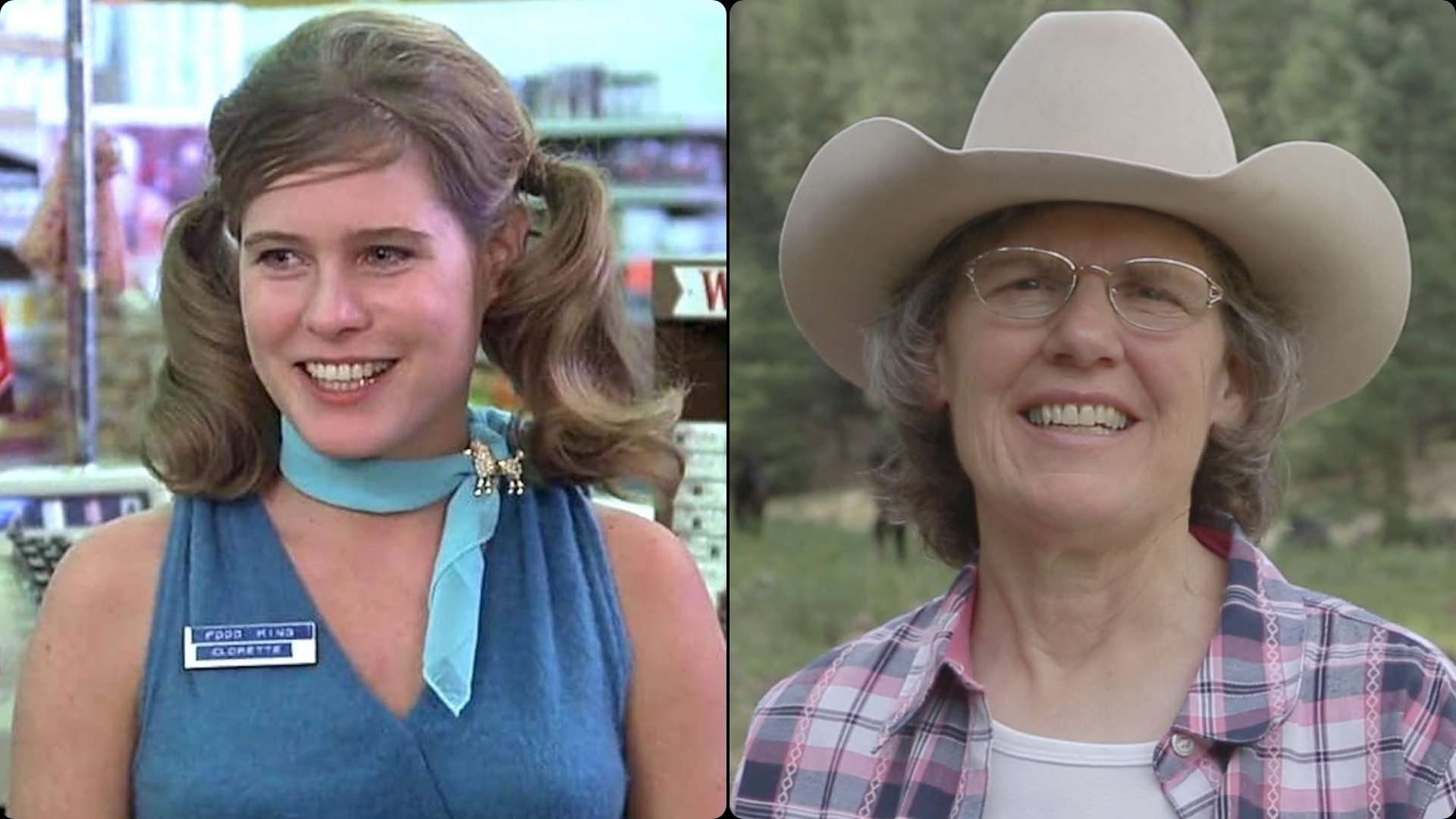
Holcomb sought treatment and then retreated from the temptations of Hollywood to live a peaceful life of anonymity in the NE under a different name.

Adding to her story is another movie, Stateside, which, according to her younger actor brother, David Holcomb, is based upon Sarah's life. David has a small part in the movie.

Sarah Holcomb

Animal House

Caddyshack

Stateside
Trivia section: According to Reverge Anselmo, Dori Lawrence was based on a real actress in the 1970's who did four movies - two of them big hits - before disappearing from the industry. On the DVD commentary, Anselmo reveals that the actress' brother plays the character of Silvio. The actor is David Holcomb leading many to believe that the actress is Sarah Holcomb of National Lampoon's Animal House (1978) and Caddyshack (1980). Someone listed as "S.H." is thanked in the end credits.

Today, Sarah Holcomb would be 66. Reports suggest she's found peace in Connecticut, living quietly under an assumed name. She survived when others didn't. She chose stability over stardom, privacy over publicity.

Her legacy isn't in career longevity—it's in two perfect performances that captured lightning in a bottle. Animal House and Caddyshack endure because everyone involved, including Holcomb, was operating at peak creativity.

She may have disappeared from Hollywood, but she left something immortal behind. Laughter. Controversy. A reminder that fame's brightest moments can also be its most fleeting.

Sometimes the most interesting stories are about the ones who got away.

The Final Word
In an age of social media oversharing and celebrity saturation, Sarah Holcomb's complete withdrawal feels almost revolutionary. She recognised the cost of fame and chose differently. There's something admirable about someone who simply walked away when walking away was the healthiest option.

images

6.jpg

 
As a student of history, a side interest is historical trivia which helps explain how human beings got from there to here or other insights into the human condition.

An example is the over 100 year history of the "automobile auxiliary power outlet" AKA the cigarette lighter socket in automobiles. Originally, it began as a cigar lighter in luxury cars. During the Great Depression, cigarettes became more popular than cigars even though the lighter remained wide enough for cigars. Along the way, the device became a de facto DC auxiliary power source. As cigarettes became less popular, the cigarette lighter section was replaced with a plastic plug which still allowed access to the "automobile auxiliary power outlet".

Nowadays, even that outlet is being replaced with USB power sources.

In the United States, cigarette lighters started appearing in 1925–1926 in some models. They were a standard feature by the 1950s.

When Did The Practice Of Using Cigarette Lighters In Automobiles End?​

Cigarette lighters in cars began disappearing in the late 1990s as smoking rates declined and automobile technologies evolved. While once considered a necessity, the prevalence of smoking-related car accessories, such as ashtrays and lighters, faded over time. Many films from the 1930s onward showcased cars equipped with these features, making them a staple in automotive design. However, Chrysler led the shift around 1994, and by the early 2000s, most automakers phased out the inclusion of cigarette lighters and ashtrays in new models.

https://themaplesrehab.com/when-did-the-practice-of-using-cigarette-lighters.html
 
Back
Top