How Trump's War on Iran Backfired

How America’s War on Iran Backfired​

Tehran Will Now Set the Terms for Peace

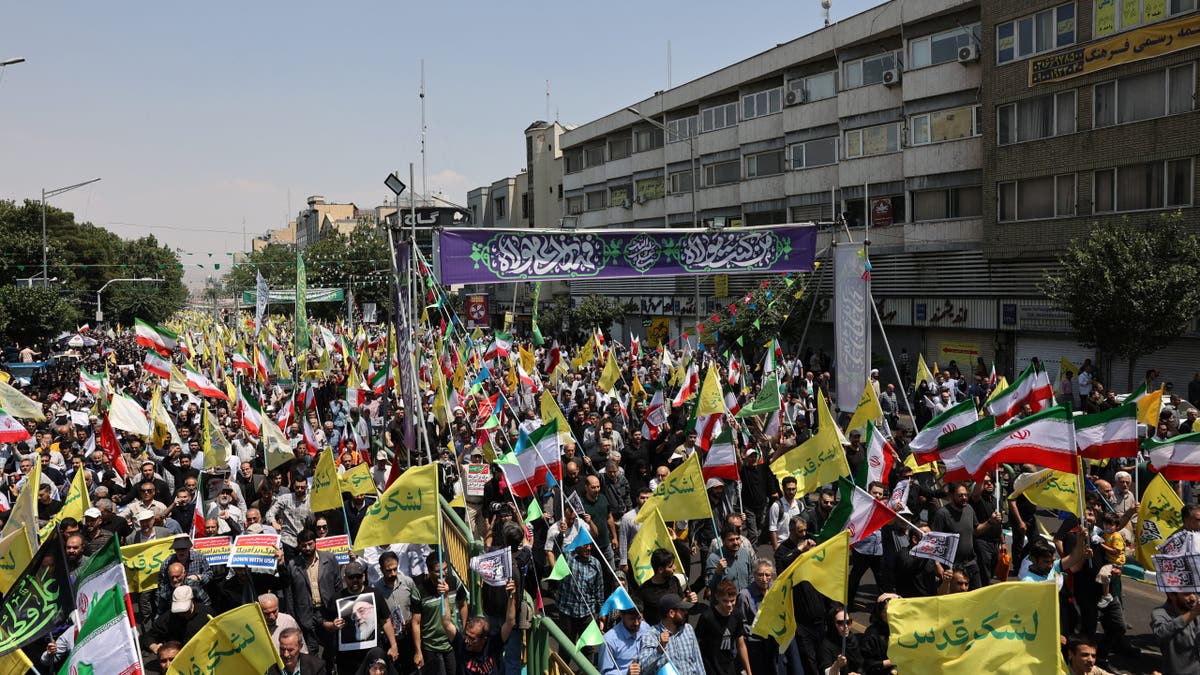
Trump likely wants to declare victory soon. The Iranian military has been severely degraded. Israel may be running low on missile interceptors, and keeping global markets stable will require reopening the Strait of Hormuz, which Iran has declared closed to its enemies. But he cannot force surrender on a government that refuses it. Even after the heavy damage to Iran’s military, the regime that Khamenei put in place has powerful incentives to pursue continued conflict, and it retains a variety of tools to sustain a war of attrition.

The war is thus barreling toward an inflection point at which all the potential options are bad. To agree to a cease-fire, Tehran will almost certainly demand assurances that the United States will constrain future Israeli strikes on Iran, Trump retains substantial leverage over Netanyahu because of Israel’s dependence on U.S. military assistance, but it is still a huge ask. Very soon, the U.S. president will face a choice between doubling down on an unpopular war or, to end it, wresting a concession from Israel that Iran could frame as a triumph.

Despite the tactical brilliance of its joint offensive with Israel, strategic success remains elusive for the United States. Trump went to war against a country of 92 million people with no clear plan for what would happen after the guns fell silent. He initially declared that victory would be achieved if the Iranian people rose up and dismantled the Islamic Republic themselves—an extraordinary and unrealistic request. The regime’s horrific crackdown in January produced no meaningful defections from the regime or security services, and government leaders have already shown they are willing to kill as many of their own people as needed to stay in power.

Moving forward, Iran does not need to score major military successes every day. The regime only needs to inflict enough periodic damage to keep regional partners, markets, and the American public jittery. Despite catastrophic damage to the Iranian navy and other branches of the military, periodic drone attacks on tankers attempting to traverse the Strait of Hormuz are probably enough to keep traffic snarled in a shipping channel responsible for a fifth of global oil supply.

There are, of course, huge risks to this strategy. It could unite the Gulf countries against Tehran and invite further escalation. Iran must also hold some offensive capabilities in reserve. This may be why it has not asked for more of the Houthis in Yemen, undertaken broad cyberattacks, or mounted acts of terrorism on U.S. interests outside the Middle East. But Khamenei obviously gambled that even if he died, his regime could handle more losses than the United States or the Gulf states could.

- NATE SWANSON is a Resident Senior Fellow and Director of the Iran Strategy Project at the Atlantic Council. In the spring and summer of 2025, he served on the Trump administration’s Iran negotiating team.

I love how trump said he "liberated" Iranian women and they threw away their burqas. Yet the new Khamenei is even more of a hard-liner than his father. I hope those women don't have it even worse than they did before.
 

How America’s War on Iran Backfired​

Tehran Will Now Set the Terms for Peace

Trump likely wants to declare victory soon. The Iranian military has been severely degraded. Israel may be running low on missile interceptors, and keeping global markets stable will require reopening the Strait of Hormuz, which Iran has declared closed to its enemies. But he cannot force surrender on a government that refuses it. Even after the heavy damage to Iran’s military, the regime that Khamenei put in place has powerful incentives to pursue continued conflict, and it retains a variety of tools to sustain a war of attrition.

The war is thus barreling toward an inflection point at which all the potential options are bad. To agree to a cease-fire, Tehran will almost certainly demand assurances that the United States will constrain future Israeli strikes on Iran, Trump retains substantial leverage over Netanyahu because of Israel’s dependence on U.S. military assistance, but it is still a huge ask. Very soon, the U.S. president will face a choice between doubling down on an unpopular war or, to end it, wresting a concession from Israel that Iran could frame as a triumph.

Despite the tactical brilliance of its joint offensive with Israel, strategic success remains elusive for the United States. Trump went to war against a country of 92 million people with no clear plan for what would happen after the guns fell silent. He initially declared that victory would be achieved if the Iranian people rose up and dismantled the Islamic Republic themselves—an extraordinary and unrealistic request. The regime’s horrific crackdown in January produced no meaningful defections from the regime or security services, and government leaders have already shown they are willing to kill as many of their own people as needed to stay in power.

Moving forward, Iran does not need to score major military successes every day. The regime only needs to inflict enough periodic damage to keep regional partners, markets, and the American public jittery. Despite catastrophic damage to the Iranian navy and other branches of the military, periodic drone attacks on tankers attempting to traverse the Strait of Hormuz are probably enough to keep traffic snarled in a shipping channel responsible for a fifth of global oil supply.

There are, of course, huge risks to this strategy. It could unite the Gulf countries against Tehran and invite further escalation. Iran must also hold some offensive capabilities in reserve. This may be why it has not asked for more of the Houthis in Yemen, undertaken broad cyberattacks, or mounted acts of terrorism on U.S. interests outside the Middle East. But Khamenei obviously gambled that even if he died, his regime could handle more losses than the United States or the Gulf states could.

- NATE SWANSON is a Resident Senior Fellow and Director of the Iran Strategy Project at the Atlantic Council. In the spring and summer of 2025, he served on the Trump administration’s Iran negotiating team.

Translation: "Yay Iran!!" Go terrorists, go !!"
 
Topless, this sure sounds like desperation to me, it seems like you're scratching the bottom to come up with something to counter your messiah's bungling.
I'm sure it does sound like that to you.... I'm okay with that... I forgive you.... And don't forget our Messiah loves us.... You should visit everyone in a while.He misses you....
 
They're crazy Anti American aren't they?
Treasonous is more accurate.


2025-06-13t115036z_1268984615_rc2n1fajk2ql_rtrmadp_3_iran-nuclear-protest-scaled.jpg
 
Back
Top