

Into the Night
Verified User
Yet another thread started by a lame Democrat that figures you can get away with censorship. Bringing it out for public discussion.
The OP:
Obviously, this just more cut and paste from an EV magazine propaganda piece. This kind of cut and pasting is mindless.
Lithium prices are rising. The shortages are already appearing. Worse, the car is totaled even in minor collisions, since the battery pack is damaged and it's too costly to replace it. This is the reason insurance rates for these cars are so high.
EVs also 'pollute' more than the gasoline car, since they use almost twice the energy to charge and drive the EV the same distance as a similar sized gasoline car. Power plants producing this power are generally coal, oil, or natural gas. MORE carbon dioxide is emitted because of the presence of EVs.
Turns out charging them ain't particularly cheap either, not with rising electricity prices. In several places, such as the SDTC (formerly California), power simply isn't available reliably to charge the car. Blackouts are quite commonplace there, due to lack of power generating capacity. They import almost all their power from the WRIC now, and those lines are heavily overloaded.
Oil drilling need not pollute any nearby water or soil. Indeed, once the well is drilled, these pumps quietly work away across the countryside, surrounded by farms and wildlands. Crops grow quite happily right next to them.
The OP:
Joe Capitalist said:TESLA WAS NAMED THE CHEAPEST LUXURY CAR BRAND TO MAINTAIN, AND THE INTERNET HAS THOUGHTS: ‘I WILL NEVER OWN A GAS CAR AGAIN’
“I haven’t spent a dime in seven years.”
by Laurelle Stelle*/*March 10, 2023
In a recent study by The Clunker Junker, Tesla vehicles claimed the victory of being the cheapest luxury car brand to maintain.
The outlet looked at data from CarEdge about the 185 most popular models in the U.S., covering the last 10 years up to September 2022. It analyzed each car’s maintenance costs over that time period as a percentage of its purchase price and divided the results into standard and luxury categories.
Tesla’s prices put it in the luxury group, where the company’s rock-bottom maintenance costs won the top spot on the chart — not just among electric vehicles, but among all vehicles in that class.
Tesla’s average maintenance cost was 7.09% of the car’s value, compared to 12.28% for the next best, Lexus. The best individual car was a Tesla Model S at 4.58%, followed by the Model X in second place and the Model 3 in fourth.
This is great news for Tesla buyers, who can expect easy maintenance over their next decade of driving. It’s also good news for reducing pollution in our communities. Because they don’t use gasoline, electric vehicles reduce the need for extensive oil drilling that pollutes nearby water and soil, according to the U.S. Energy Information Administration.
EVs also don’t give off toxic exhaust or heat-trapping gases like combustion engines do, as the EPA notes. This is healthy for our planet and lungs in general, and for the improvement of city air quality in particular, so even the average person on the street will benefit as more drivers switch to EVs.
Obviously, this just more cut and paste from an EV magazine propaganda piece. This kind of cut and pasting is mindless.
Lithium prices are rising. The shortages are already appearing. Worse, the car is totaled even in minor collisions, since the battery pack is damaged and it's too costly to replace it. This is the reason insurance rates for these cars are so high.
EVs also 'pollute' more than the gasoline car, since they use almost twice the energy to charge and drive the EV the same distance as a similar sized gasoline car. Power plants producing this power are generally coal, oil, or natural gas. MORE carbon dioxide is emitted because of the presence of EVs.
Turns out charging them ain't particularly cheap either, not with rising electricity prices. In several places, such as the SDTC (formerly California), power simply isn't available reliably to charge the car. Blackouts are quite commonplace there, due to lack of power generating capacity. They import almost all their power from the WRIC now, and those lines are heavily overloaded.
Oil drilling need not pollute any nearby water or soil. Indeed, once the well is drilled, these pumps quietly work away across the countryside, surrounded by farms and wildlands. Crops grow quite happily right next to them.

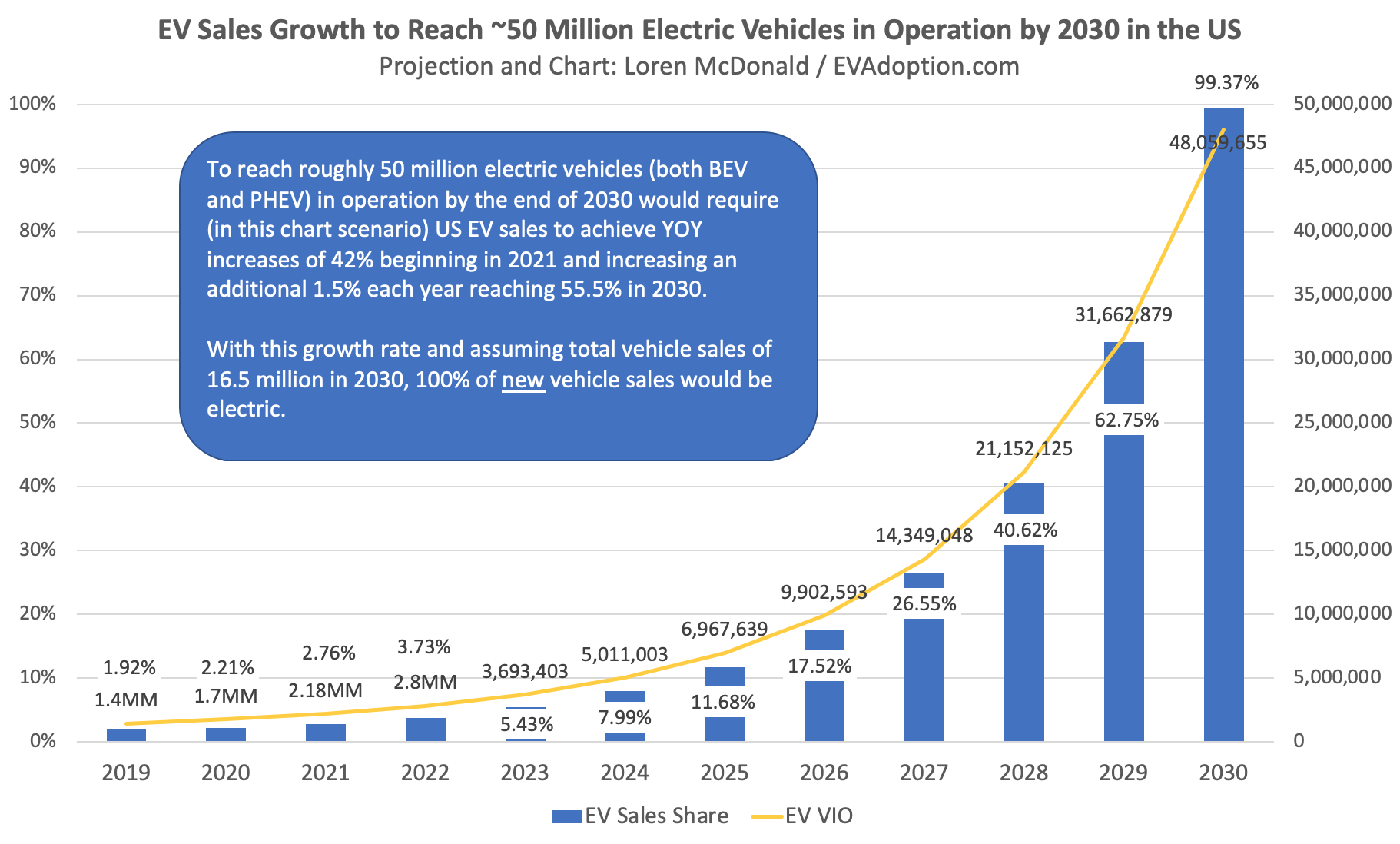

 ).
).