Outstanding description of yourself. But also not forget that you are also a repugnant, lying, low IQ, worthless piece of human filth.
He is, indeed.
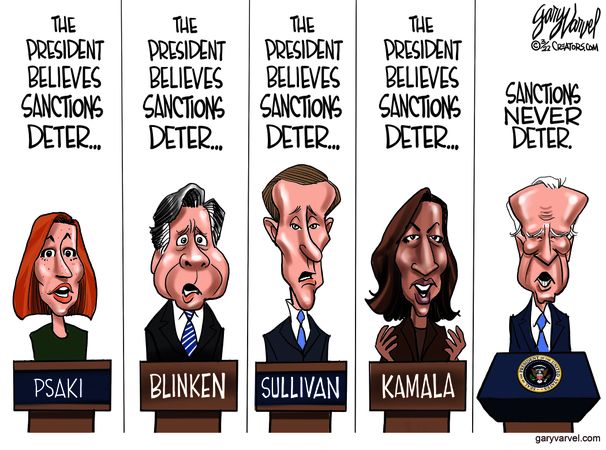
LESS FOOD, HIGHER PRICES FOR THE WORLD - SO BUNGLING BIDEN COULD VIRTUE SIGNAL
Ukraine: how the global fertilizer shortage is going to affect food availability and prices
We are currently witnessing the beginning of a global food crisis, driven by the knock-on effects of recent rises in fuel prices and now the conflict in Ukraine.
There were already clear logistical issues with moving grain and food around the globe, which will now be considerably worse.
But a more subtle relationship sits with the link to the nutrients needed to drive high crop yields and quality worldwide.
Crops are the basis of our food system, whether feeding us or animals, and without secured supply in terms of volume and quality, our food system is bankrupt.
Crops rely on a good supply of nutrients to deliver high yields and quality (as well as water, sunlight and a healthy soil), which in modern farming systems come from manufactured fertilizers.
As you sit and read this, the air you breathe contains 78% nitrogen gas – this is the same source of nitrogen used in the production of most manufactured nitrogen fertilizers.
However, to take this gas from the air and into a bag of fertilizer takes a huge amount of energy.
The Haber-Bosch process, which converts nitrogen and hydrogen into ammonia as a crucial step in creating fertilizers, uses between 1% and 2% of all energy generated globally by some estimates.
Consequently, the cost of producing nitrogen fertilizer is directly linked to the cost of fuel. This is why the price of ammonium nitrate has nearly doubled, compared to a week ago.
Fertilizer inputs to farming systems represent one of the largest single variable costs of producing a crop.
When investing in fertilizer, a farmer must balance the return on this investment through the price they receive at harvest. Adding more fertilizer, for a small improvement in yield, might not pay for itself at harvest.
This calculation between the cost of fertilizer and the value of the crop produced – the “break-even ratio” – is typically around six for a cereal crop (6kg of grain needed to pay for 1kg of nitrogen fertilizer), but with the rise in fertilizer prices it is currently around ten.
Using less fertilizer will reduce yields and quality, adding to pressure on the food system as a whole.
And Bungling Biden banned the import of Russian fertilizer.
https://theconversation.com/ukraine-how-the-global-fertiliser-shortage-is-going-to-affect-food-179061






 At least you did know your name is Barflyelite though