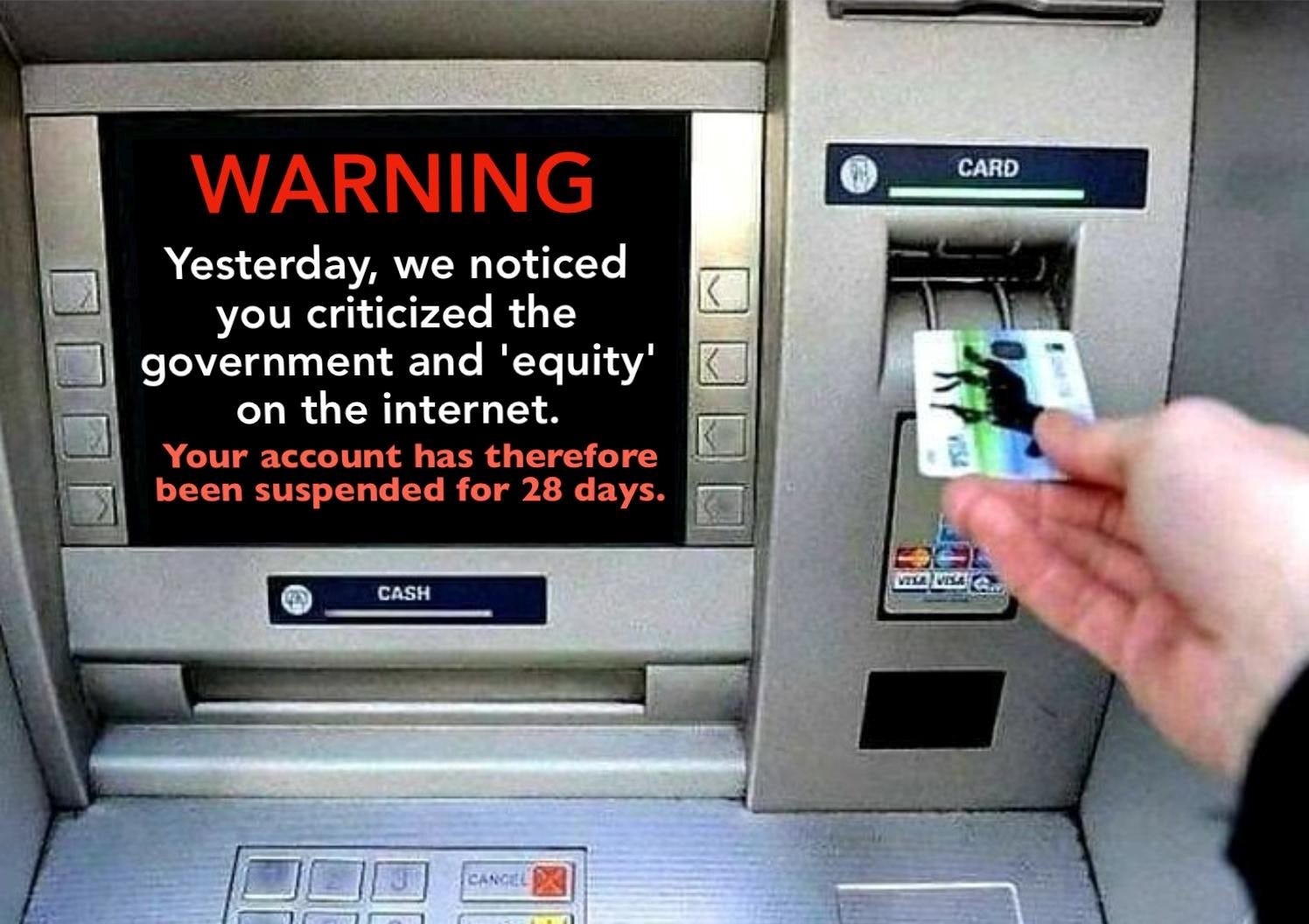
The government can do much to silence speech, which is why conservatives are wise to begin building their own ecosystems.
Earlier this week, Reuters reported that New York State Comptroller Thomas DiNapoli sent a letter to Spotify CEO Daniel Ek, expressing concern about the streaming platform hosting controversial content. While this incident seems no different than other attempts by governmental officials to prompt the private censorship of speech, DiNapoli’s calls on Spotify to remove “misinformation” related to Covid19 differ in kind—and thus constitutionality—from the demands made by other politicians, such as Massachusetts’ Sen. Elizabeth Warren.
“Dear Mr. Ek,” DiNapoli opened, “I write as Trustee of the New York State Common Retirement Fund, one of the largest public pension funds in the United States, which holds and invests the assets of the New York State and Local Retirement System on behalf of its 1.1 million members, retirees and beneficiaries.” “As an investor in Spotify Technology SA,” the letter continued, “I am writing to express my concerns regarding the ongoing controversies related to Spotify’s content management practices.”
With that introductory paragraph, DiNapoli removed his inquiries to Spotify from the realm of veiled threats that might trigger a First Amendment violation to expressing concerns as a shareholder. In other words, DiNapoli spoke in his letter to Spotify not as a sovereign, but as an investor. Yes, a very large and powerful investor, but an investor nonetheless.
In this letter, DiNapoli expressed concerns over supposed “misinformation related to the COVID-19 pandemic,” a clear reference to the continuing controversy over Joe Rogan’s podcasts.
While the First Amendment prohibits “government intimidation,” non-coercive requests qualify as constitutionally permissible “government expression” or “government speech.” And under the “government speech” doctrine, the government, as the speaker, “is entitled to say what it wishes and to select the views that it wants to express,” including by favoring or disfavoring different views and by asking private companies to do the same.
https://thefederalist.com/2022/02/11/pressure-on-spotify-to-censor-now-includes-blue-state-pension-plans/
Earlier this week, Reuters reported that New York State Comptroller Thomas DiNapoli sent a letter to Spotify CEO Daniel Ek, expressing concern about the streaming platform hosting controversial content. While this incident seems no different than other attempts by governmental officials to prompt the private censorship of speech, DiNapoli’s calls on Spotify to remove “misinformation” related to Covid19 differ in kind—and thus constitutionality—from the demands made by other politicians, such as Massachusetts’ Sen. Elizabeth Warren.
“Dear Mr. Ek,” DiNapoli opened, “I write as Trustee of the New York State Common Retirement Fund, one of the largest public pension funds in the United States, which holds and invests the assets of the New York State and Local Retirement System on behalf of its 1.1 million members, retirees and beneficiaries.” “As an investor in Spotify Technology SA,” the letter continued, “I am writing to express my concerns regarding the ongoing controversies related to Spotify’s content management practices.”
With that introductory paragraph, DiNapoli removed his inquiries to Spotify from the realm of veiled threats that might trigger a First Amendment violation to expressing concerns as a shareholder. In other words, DiNapoli spoke in his letter to Spotify not as a sovereign, but as an investor. Yes, a very large and powerful investor, but an investor nonetheless.
In this letter, DiNapoli expressed concerns over supposed “misinformation related to the COVID-19 pandemic,” a clear reference to the continuing controversy over Joe Rogan’s podcasts.
While the First Amendment prohibits “government intimidation,” non-coercive requests qualify as constitutionally permissible “government expression” or “government speech.” And under the “government speech” doctrine, the government, as the speaker, “is entitled to say what it wishes and to select the views that it wants to express,” including by favoring or disfavoring different views and by asking private companies to do the same.
https://thefederalist.com/2022/02/11/pressure-on-spotify-to-censor-now-includes-blue-state-pension-plans/