Why Hydrogen Electric Vehicles Will Be The Future Of Auto Industry

serendipity

Verified User
.
It's been a long time coming but the hydrogen era is here.

Despite advancements in EV technology, an alternative method seems to be the future of transportation: hydrogen electric vehicles.

There is no doubt that automakers are switching away from internal combustion engines (ICE) in search of a more sustainable alternative for the future. In the past decade, the industry has seen a massive increase in battery-electric vehicles on the roads.

An alternative sustainable method to battery-powered cars, hydrogen-powered vehicles have shown to carry even more advantages than battery electric vehicles (BEVs). Corporations have made massive leaps in fuel cell technology as governments continue to push and incentivise zero-emission vehicles.

While BEVs have shown promise to mitigate carbon emissions, several issues still raise serious doubt about whether they can actually be the permanent solution. Hydrogen electric fuel cells have the potential to completely change the future for all modes of transportation, not just cars.

https://www.topspeed.com/hydrogen-electric-vehicles-future-of-auto-industry/
 
I don’t know how ballard (BLDP.TO) keeps hanging on. :confused:
I first got them around 2000 and they’ve never made a dime. Not ever.
 
The problem is that even if hydrogen is a better idea the failing West will not be able to get off of its all electric plan.....these fuckers in charge now almost never admit that they were wrong.....they double down on wrong.
 
It's been a long time coming but the hydrogen era is here.
No, it isn't.
Despite advancements in EV technology, an alternative method seems to be the future of transportation: hydrogen electric vehicles.
No, they aren't.
There is no doubt that automakers are switching away from internal combustion engines (ICE)
WRONG!!!! Ford is going back to gasoline engines. So is Toyota.
in search of a more sustainable alternative for the future.
Gasoline is sustainable. So is natural gas. They are both renewable fuels.
In the past decade, the industry has seen a massive increase in battery-electric vehicles on the roads.
WRONG!!! Less than 1% of the cars on the road is NOT a 'massive increase'.
An alternative sustainable method to battery-powered cars, hydrogen-powered vehicles have shown to carry even more advantages than battery electric vehicles (BEVs).
No advantages. Lots of problems, which you are ignoring.

Hydrogen must be manufactured. This will require even MORE power than just charging an EV, which ALREADY uses twice the energy of a gasoline car of the same size.
Hydrogen is difficult to handle, requiring high pressures and associated pressure drops freezing delivery equipment (including the fuel nozzle).
Fuel cells require even harder to get materials than lithium.
Hydrogen has much less energy by volume than gasoline, even when compressed to 3000psi.
Fuel cells are slow to react, necessitating carrying rather large battery packs as ballast, so you still have the lithium batteries.
Corporations have made massive leaps in fuel cell technology as governments continue to push and incentivise zero-emission vehicles.
All fuel cells require even harder to obtain materials than lithium.
While BEVs have shown promise to mitigate carbon emissions,
There is no need to 'mitigate carbon emissions'. Carbon is a fuel. Carbon dioxide is a naturally occurring gas that is absolutely essential for life to exist on Earth.
several issues still raise serious doubt about whether they can actually be the permanent solution.
No 'solution' needed, since there is no problem.
Hydrogen electric fuel cells have the potential to completely change the future for all modes of transportation, not just cars.
No, for the reasons I've just described, along with others.
You can put away your sales brochure now.
 
Very dangerous material, and it also must be manufactured.

WS26195-14__79818.1555016470.jpg


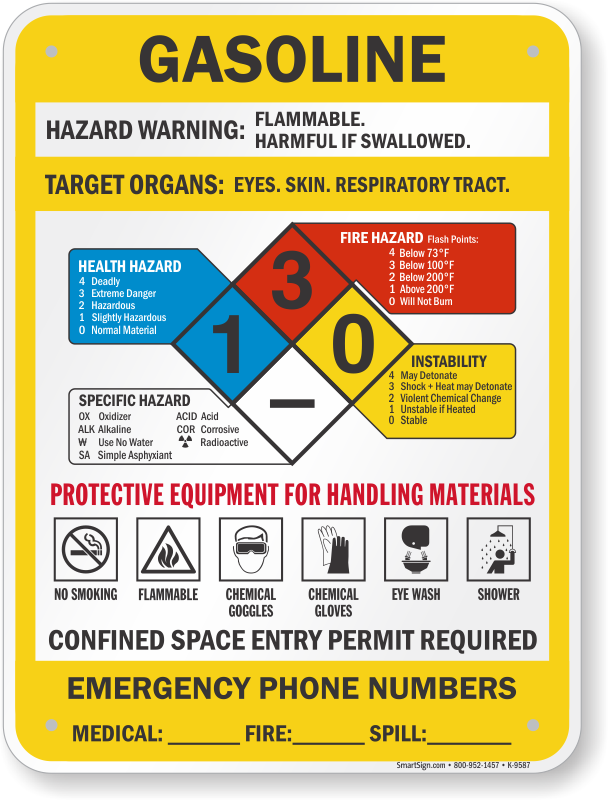
gasoline-hazard-warning-flammable-sign-k-9587.png


No more dangerous than gasoline, just how changes. Farmers use it all the time without incident.

90


bus.jpeg


Belgium ran their public transit on ammonia in WW 2 due to fuel shortages.

https://nh3fuelassociation.org/introduction/

We already manufacture it for fertilizer, explosives, and other uses. I see no reason production couldn't be expanded easily. It'd certainly be less polluting than running battery cars on coal...
 
Trying to prove my point? Anhydrous Ammonia is extremely hazardous.
No more dangerous than gasoline, just how changes.
WRONG. Flammability is not health hazard.
Farmers use it all the time without incident.
WRONG. Incidents and accidents happen all the time. Farmers are extra careful with the stuff for a reason.
Belgium ran their public transit on ammonia in WW 2 due to fuel shortages.
Then got off of it as soon as normal fuel became available. It's expensive and hazardous to health.
We already manufacture it for fertilizer, explosives, and other uses. I see no reason production couldn't be expanded easily. It'd certainly be less polluting than running battery cars on coal...
Ammonia is not used much in explosives, due to its hygroscopic nature. Ammonium nitrate used to make black powder is called 'B' powder for a reason. You can't use it for most applications.
Making ammonia requires power. More power than you get by using it in fuel cells or by burning it. It requires special handling due to it's extremely toxic nature. It is hygroscopic. It is expensive. It is not practical to use as a mass energy source.

Now comes my usual question on 'pollution'. Just what 'pollution' are you referring to? What is polluting what? Why is it a 'problem'? Define the 'problem'.
 
Back
Top