
For many decades after the second World War, foreign interventions by the United States were the most common of sights.
The reach of the U.S. was seemingly unlimited and, thanks to their dominance of the oceans of the world, the U.S. military was willing and able to ‘defend American interests offensively’ anywhere in the world. After the fall of the Soviet Union, the world became uni-polar, which prompted Francis Fukuyama to announce the “end of history” early in the ‘90s.
But, as with all Empires, there is always a danger of over-extension.
It became apparent that simply bombing a country into submission and installing a new government wasn’t enough to maintain lasting influence in a region, and neither was offering a course on Gender Politics at Kabul University.
Attempts to occupy Iraq and Afghanistan have run up the death toll and proven the impossibility of shaping foreign societies according to Western models, even after many years of attempted restructuring.
Last year, the American retreat from Afghanistan and the following blitz by the Taliban rattled the Western world.
It was the first chapter of an Empire in retreat, unable and unwilling to commit itself anymore to the task of controlling its furthest provinces.
What we are witnessing in Ukraine is—independent of the outcome—the second chapter.
The third chapter, presumably, will be Taiwan, after which the world will have completed its shift from a uni-polar back to a multi-polar world order.
Whether we like it or not, the West will have to adjust to this situation in its dealings with other parts of the world.
It should also be noted that the challenges and strategies in the United States differ from those in Europe.
America is already in the process of re-evaluating its strategies.
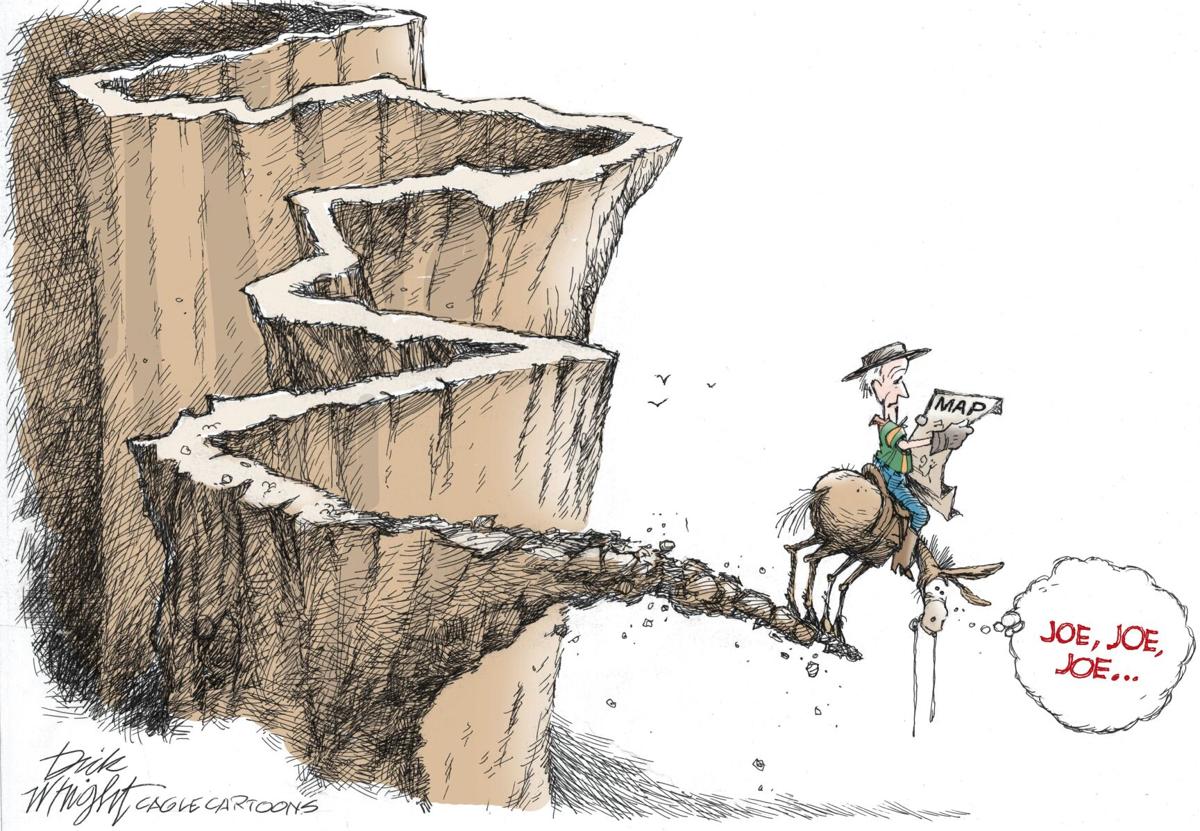
The future legacy of bungling Joe Biden (which looks to be disastrous) will only speed up this process.
For a Europe that has been relying on its transatlantic partner for all its military needs, the time will soon arrive to reappraise whether the Big Brother from overseas is willing and able to protect them, or whether he considers them a buffer zone on one hand, and a competitor on the other, best used to engage in conflicts with other major powers to strengthen the position of the United States.
https://europeanconservative.com/articles/commentary/five-lessons-for-europe-from-the-ukraine-crisis/