Guno צְבִי
We fight, We win, Am Yisrael Chai
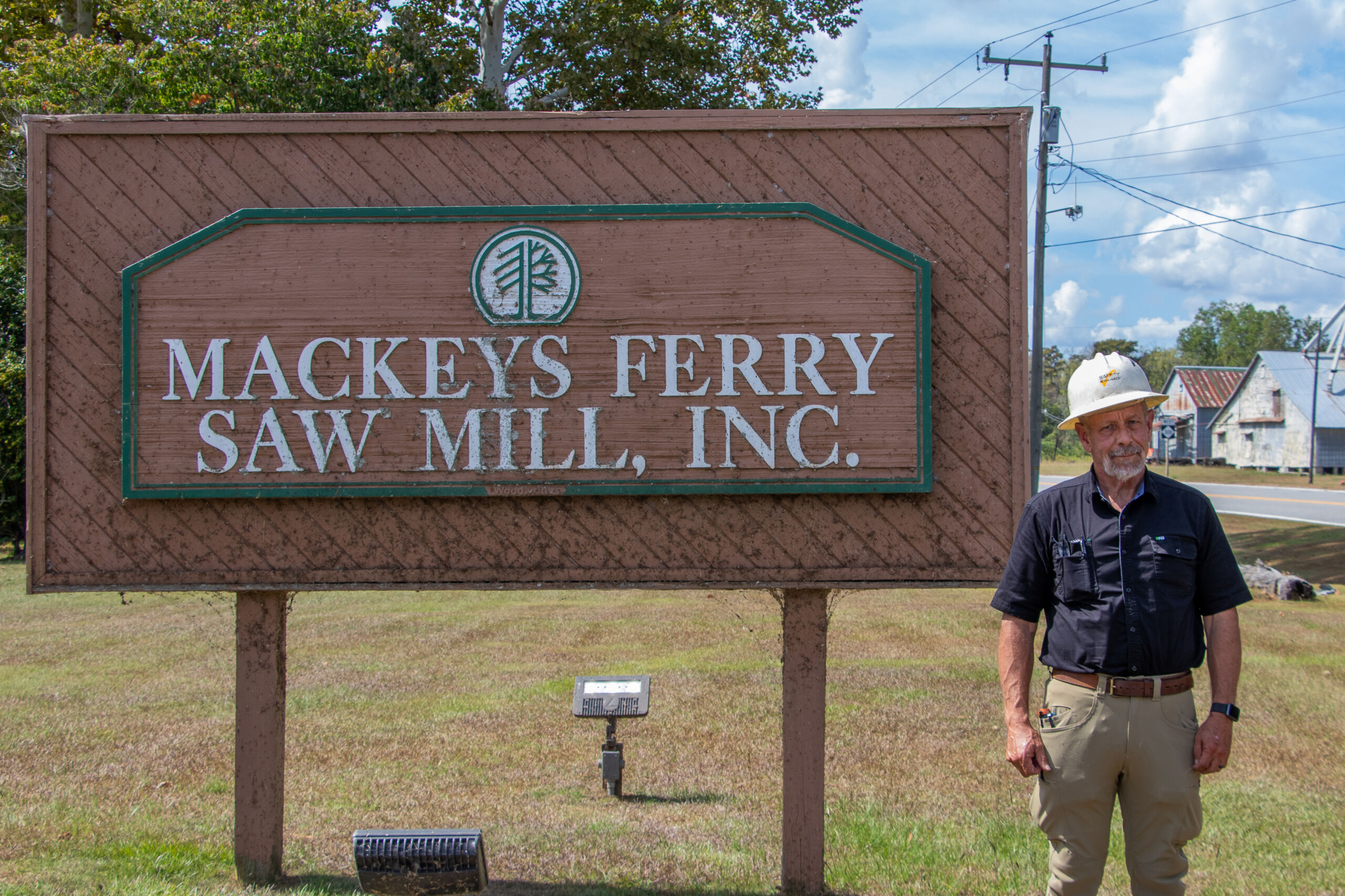
Wilson Jones stands in what used to be the heart of his family's lumber empire — the Mackeys Ferry Sawmill in North Carolina.
But instead of the familiar roar of saws cutting through Southern pine, there's only silence.
"I've grown all my life in the lumber business," the 60-something mill owner tells Bloomberg (1), his voice heavy with emotion. "And to hear nature at a sawmill, I think for any lumberman is not natural. I don't wanna be overly dramatic, but in a way it's as unnerving as watching a loved one take their final breath."
Jones is the fifth generation in his family to run a lumber business — and the first to close a mill. The culprit? President Donald Trump's "Liberation Day" tariffs, announced April 2, 2025, which promised to bring manufacturing jobs roaring back to America.
"When I say Liberation Day, I cannot put enough snark and sarcasm in my voice because we weren't liberated," Wilson says. "Liberation Day, it did, at the time, it had damn near liberated me from our business."
The Jones family's story isn't unique. It's playing out in factories, mills and plants across America. Since President Trump's April tariff announcement, overall manufacturing employment has declined by 42,000, while job openings and hires have fallen by 76,000 and 18,000, respectively according to the Center for American Progress (2). Manufacturing hiring plunged in May to the weakest rate since 2016 under President Barack Obama
But instead of the familiar roar of saws cutting through Southern pine, there's only silence.
"I've grown all my life in the lumber business," the 60-something mill owner tells Bloomberg (1), his voice heavy with emotion. "And to hear nature at a sawmill, I think for any lumberman is not natural. I don't wanna be overly dramatic, but in a way it's as unnerving as watching a loved one take their final breath."
Jones is the fifth generation in his family to run a lumber business — and the first to close a mill. The culprit? President Donald Trump's "Liberation Day" tariffs, announced April 2, 2025, which promised to bring manufacturing jobs roaring back to America.
"When I say Liberation Day, I cannot put enough snark and sarcasm in my voice because we weren't liberated," Wilson says. "Liberation Day, it did, at the time, it had damn near liberated me from our business."
The Jones family's story isn't unique. It's playing out in factories, mills and plants across America. Since President Trump's April tariff announcement, overall manufacturing employment has declined by 42,000, while job openings and hires have fallen by 76,000 and 18,000, respectively according to the Center for American Progress (2). Manufacturing hiring plunged in May to the weakest rate since 2016 under President Barack Obama