Education isn't really a thing with you kids, is it.
Haven't you ever seen a pic of the pyramids?
Here's more:
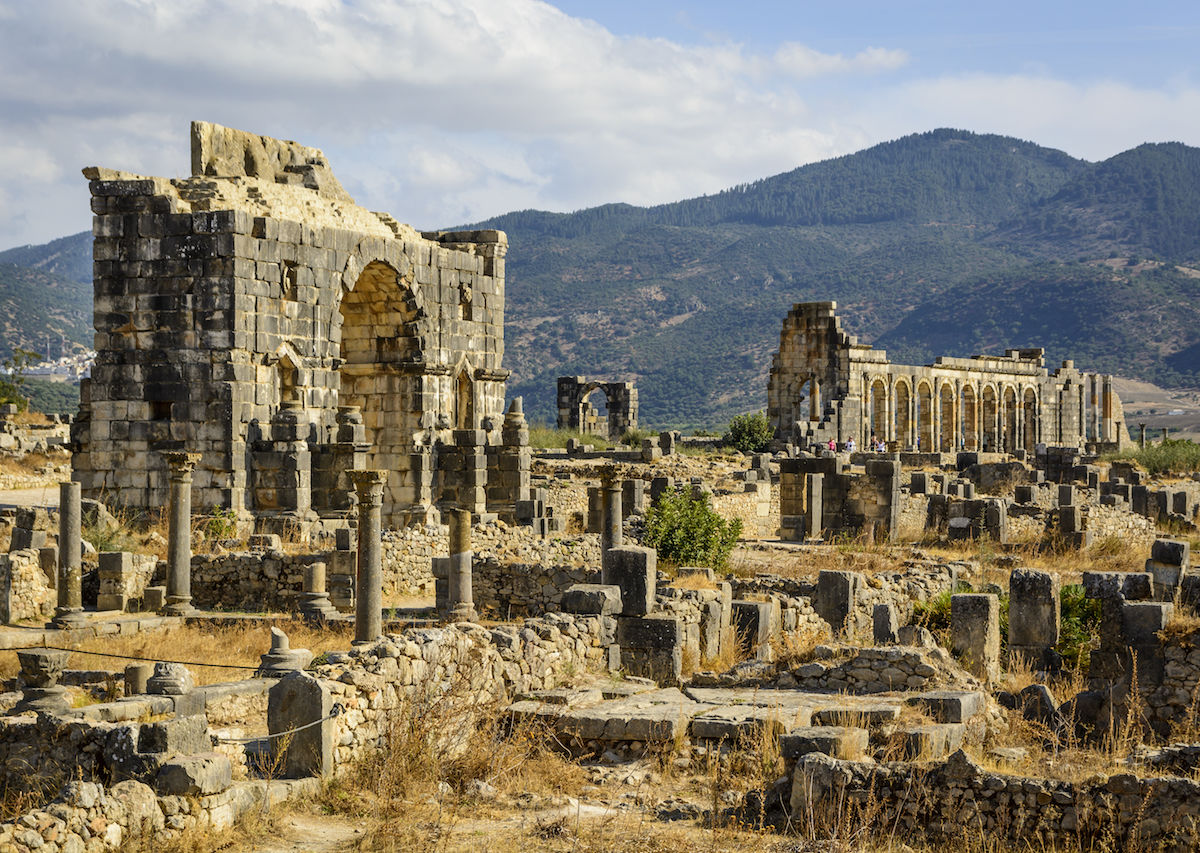
From Egypt to Zimbabwe, Africa is full of ruins from ancient kingdoms and cultures. Here’s where to see these hidden caves and sprawling palaces.

matadornetwork.com
The Egyptian pyramids, such as those at Giza, were constructed primarily during the Old Kingdom period (circa 2686–2181 BCE) by ancient Egyptians. These people were indigenous to the Nile Valley in North Africa and represented a diverse population with varying physical appearances, including skin tones ranging from light to dark brown, influenced by regional differences (e.g., lighter in Lower Egypt near the Mediterranean, darker in Upper Egypt near Nubia).
Genetic studies of ancient Egyptian remains, including mummies and skeletal material, indicate that their ancestry was predominantly from North African and Near Eastern populations, with closer genetic ties to ancient Levantine, Anatolian, and Mesopotamian groups than to sub-Saharan Africans.
For instance, a 2025 whole-genome analysis of an Old Kingdom individual from Nuwayrat showed approximately 80% North African Neolithic ancestry and 20% from the eastern Fertile Crescent (Mesopotamia), confirming links between early Egyptian and Mesopotamian civilizations but limited sub-Saharan input.
A 2017 study of 151 mummies spanning 1400 BCE to 400 CE found ancient Egyptians had only 6-15% sub-Saharan ancestry, compared to about 20% in modern Egyptians, who have experienced more gene flow from sub-Saharan Africa over time.
The term "Negroes" historically refers to black people of sub-Saharan African descent. While ancient Egypt had cultural and trade interactions with Nubia (modern Sudan), where populations were darker-skinned and more sub-Saharan in ancestry, and there were periods of Nubian rule (e.g., the 25th Dynasty, circa 744–656 BCE, long after the major pyramids were built), the core population responsible for pyramid construction was not predominantly sub-Saharan black.
Afrocentric interpretations claiming ancient Egyptians were uniformly "black" Africans are not supported by the majority of genetic, archaeological, and artistic evidence, which shows a continuum of appearances without modern racial categories. Ancient Egyptian art often depicted themselves with reddish-brown skin for men and lighter tones for women, distinguishing themselves from black-skinned Nubians to the south and lighter-skinned Libyans or Asiatics.
The pyramids were built by organized teams of skilled Egyptian laborers, farmers during the off-season, and possibly some foreign workers, but not primarily by sub-Saharan Africans.