🤯🥼President Trump Wipes Out the Entire National Science Board, with Mass Firings of All 24 Top Scientist, in a Total Seizure of Federal

Grim Reaper

Chief Exit Officer (CEO)

BREAKING: President Trump Wipes Out the Entire National Science Board, with Mass Firings of All 24 Top Scientist, in a Total Seizure of Federal Research Oversight 🤯🥼

âś…

1. Did Trump fire the entire National Science Board?

Yes. The article states clearly:

“On Friday, April 24, 2026, the White House fired all 24 members of the National Science Board.”
This is presented as a factual event, not speculation.

2. What is the National Science Board (NSB)?

According to the article:

  • It is the governing board of the National Science Foundation (NSF).
  • It jointly sets strategic direction with the NSF director.
  • It oversees roughly $9 billion in federal research funding.
  • Members serve staggered six‑year terms to insulate science governance from political cycles.
  • Members must be chosen “solely on the basis of established records of distinguished service.”
All of this aligns with the NSF’s statutory structure under the National Science Foundation Act of 1950.

3. Does the article claim this firing is unprecedented?

It strongly implies this by emphasizing:

  • The NSB’s statutory independence
  • The purpose of staggered terms
  • The historical norm of preserving the board across administrations
The article frames the action as a break from long‑standing institutional norms.

4. Does the article claim any specific motive?

No.It does not claim why the administration fired the board.Instead, it focuses on why the board exists, why its independence matters, and what is at stake.

5. Does the article claim any factual consequences?

Yes:

  • The next NSB meeting is scheduled for May 5, but currently “there is no board.”
  • The article raises concerns about whether the statutory model of independent science governance still exists in practice.
These are factual statements about timing and structure.


⚠️

The Forbes piece is written by John Drake, a university professor and Forbes contributor. Forbes contributors write opinion/analysis, not straight news.

Indicators of analysis/opinion in the article

  • Emphasis on the historical purpose of the NSB
  • Concern about politicization of science governance
  • Statements like:

    “The institutional design that built American science is at stake.”“These structures depend on a shared understanding… that some institutions are worth preserving.”
These are interpretive judgments, not factual claims.

What the article does

  • It does not speculate on Trump’s motives.
  • It does not claim the action is illegal.
  • It does not make partisan attacks.
  • It does not compare political figures or endorse any political position.
The tone is institutional, not partisan.

Overall bias assessment

  • Lean: institutionalist / pro‑science‑governance stability
  • Not partisan in the sense of attacking or praising any political party
  • Concerned with norms, not personalities
  • Factually grounded, with interpretation focused on structural implications

📌

Factually accurate:

  • The White House fired all 24 NSB members on April 24, 2026.
  • The NSB is a statutory body with staggered six‑year terms.
  • Its next meeting is scheduled for May 5, and currently the board is empty.
  • The NSB plays a major role in NSF governance and scientific funding.
Interpretive/opinion elements:

  • The firing threatens the institutional model of independent science governance.
  • The action undermines the post‑WWII design of science policy.
  • The stability of American scientific institutions is at risk.
No evidence of:

  • Partisan rhetoric
  • Speculation about motives
  • Unsupported factual claims
 

BREAKING: President Trump Wipes Out the Entire National Science Board, with Mass Firings of All 24 Top Scientist, in a Total Seizure of Federal Research Oversight 🤯🥼

âś…

1. Did Trump fire the entire National Science Board?

Yes. The article states clearly:


This is presented as a factual event, not speculation.

2. What is the National Science Board (NSB)?

According to the article:

  • It is the governing board of the National Science Foundation (NSF).
  • It jointly sets strategic direction with the NSF director.
  • It oversees roughly $9 billion in federal research funding.
  • Members serve staggered six‑year terms to insulate science governance from political cycles.
  • Members must be chosen “solely on the basis of established records of distinguished service.”
All of this aligns with the NSF’s statutory structure under the National Science Foundation Act of 1950.

3. Does the article claim this firing is unprecedented?

It strongly implies this by emphasizing:

  • The NSB’s statutory independence
  • The purpose of staggered terms
  • The historical norm of preserving the board across administrations
The article frames the action as a break from long‑standing institutional norms.

4. Does the article claim any specific motive?

No.It does not claim why the administration fired the board.Instead, it focuses on why the board exists, why its independence matters, and what is at stake.

5. Does the article claim any factual consequences?

Yes:

  • The next NSB meeting is scheduled for May 5, but currently “there is no board.”
  • The article raises concerns about whether the statutory model of independent science governance still exists in practice.
These are factual statements about timing and structure.


⚠️

The Forbes piece is written by John Drake, a university professor and Forbes contributor. Forbes contributors write opinion/analysis, not straight news.

Indicators of analysis/opinion in the article

  • Emphasis on the historical purpose of the NSB
  • Concern about politicization of science governance
  • Statements like:
These are interpretive judgments, not factual claims.

What the article does

  • It does not speculate on Trump’s motives.
  • It does not claim the action is illegal.
  • It does not make partisan attacks.
  • It does not compare political figures or endorse any political position.
The tone is institutional, not partisan.

Overall bias assessment

  • Lean: institutionalist / pro‑science‑governance stability
  • Not partisan in the sense of attacking or praising any political party
  • Concerned with norms, not personalities
  • Factually grounded, with interpretation focused on structural implications

📌

Factually accurate:

  • The White House fired all 24 NSB members on April 24, 2026.
  • The NSB is a statutory body with staggered six‑year terms.
  • Its next meeting is scheduled for May 5, and currently the board is empty.
  • The NSB plays a major role in NSF governance and scientific funding.
Interpretive/opinion elements:

  • The firing threatens the institutional model of independent science governance.
  • The action undermines the post‑WWII design of science policy.
  • The stability of American scientific institutions is at risk.
No evidence of:

  • Partisan rhetoric
  • Speculation about motives
  • Unsupported factual claims
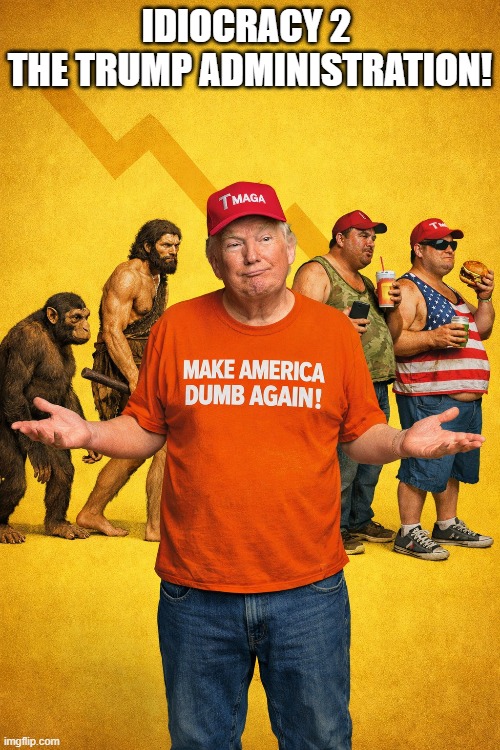
MAGA really wants to live in the 1940s-50s. This sounds like tossing red meat to his cult followers, who will surely cackle like hyenas that this is a surefire way to stick it to the Libs.
 
a newspaper that says breaking news no one gives a fuck on it


In other news.....


a man wearing neon sunglasses and a pink nike shirt says zero fucks given
 

BREAKING: President Trump Wipes Out the Entire National Science Board, with Mass Firings of All 24 Top Scientist, in a Total Seizure of Federal Research Oversight 🤯🥼

âś…

1. Did Trump fire the entire National Science Board?

Yes. The article states clearly:


This is presented as a factual event, not speculation.

2. What is the National Science Board (NSB)?

According to the article:

  • It is the governing board of the National Science Foundation (NSF).
  • It jointly sets strategic direction with the NSF director.
  • It oversees roughly $9 billion in federal research funding.
  • Members serve staggered six‑year terms to insulate science governance from political cycles.
  • Members must be chosen “solely on the basis of established records of distinguished service.”
All of this aligns with the NSF’s statutory structure under the National Science Foundation Act of 1950.

3. Does the article claim this firing is unprecedented?

It strongly implies this by emphasizing:

  • The NSB’s statutory independence
  • The purpose of staggered terms
  • The historical norm of preserving the board across administrations
The article frames the action as a break from long‑standing institutional norms.

4. Does the article claim any specific motive?

No.It does not claim why the administration fired the board.Instead, it focuses on why the board exists, why its independence matters, and what is at stake.

5. Does the article claim any factual consequences?

Yes:

  • The next NSB meeting is scheduled for May 5, but currently “there is no board.”
  • The article raises concerns about whether the statutory model of independent science governance still exists in practice.
These are factual statements about timing and structure.


⚠️

The Forbes piece is written by John Drake, a university professor and Forbes contributor. Forbes contributors write opinion/analysis, not straight news.

Indicators of analysis/opinion in the article

  • Emphasis on the historical purpose of the NSB
  • Concern about politicization of science governance
  • Statements like:
These are interpretive judgments, not factual claims.

What the article does

  • It does not speculate on Trump’s motives.
  • It does not claim the action is illegal.
  • It does not make partisan attacks.
  • It does not compare political figures or endorse any political position.
The tone is institutional, not partisan.

Overall bias assessment

  • Lean: institutionalist / pro‑science‑governance stability
  • Not partisan in the sense of attacking or praising any political party
  • Concerned with norms, not personalities
  • Factually grounded, with interpretation focused on structural implications

📌

Factually accurate:

  • The White House fired all 24 NSB members on April 24, 2026.
  • The NSB is a statutory body with staggered six‑year terms.
  • Its next meeting is scheduled for May 5, and currently the board is empty.
  • The NSB plays a major role in NSF governance and scientific funding.
Interpretive/opinion elements:

  • The firing threatens the institutional model of independent science governance.
  • The action undermines the post‑WWII design of science policy.
  • The stability of American scientific institutions is at risk.
No evidence of:

  • Partisan rhetoric
  • Speculation about motives
  • Unsupported factual claims

Leftist operatives....all.
 

BREAKING: President Trump Wipes Out the Entire National Science Board, with Mass Firings of All 24 Top Scientist, in a Total Seizure of Federal Research Oversight 🤯🥼

âś…

1. Did Trump fire the entire National Science Board?

Yes. The article states clearly:


This is presented as a factual event, not speculation.

2. What is the National Science Board (NSB)?

According to the article:

  • It is the governing board of the National Science Foundation (NSF).
  • It jointly sets strategic direction with the NSF director.
  • It oversees roughly $9 billion in federal research funding.
  • Members serve staggered six‑year terms to insulate science governance from political cycles.
  • Members must be chosen “solely on the basis of established records of distinguished service.”
All of this aligns with the NSF’s statutory structure under the National Science Foundation Act of 1950.

3. Does the article claim this firing is unprecedented?

It strongly implies this by emphasizing:

  • The NSB’s statutory independence
  • The purpose of staggered terms
  • The historical norm of preserving the board across administrations
The article frames the action as a break from long‑standing institutional norms.

4. Does the article claim any specific motive?

No.It does not claim why the administration fired the board.Instead, it focuses on why the board exists, why its independence matters, and what is at stake.

5. Does the article claim any factual consequences?

Yes:

  • The next NSB meeting is scheduled for May 5, but currently “there is no board.”
  • The article raises concerns about whether the statutory model of independent science governance still exists in practice.
These are factual statements about timing and structure.


⚠️

The Forbes piece is written by John Drake, a university professor and Forbes contributor. Forbes contributors write opinion/analysis, not straight news.

Indicators of analysis/opinion in the article

  • Emphasis on the historical purpose of the NSB
  • Concern about politicization of science governance
  • Statements like:
These are interpretive judgments, not factual claims.

What the article does

  • It does not speculate on Trump’s motives.
  • It does not claim the action is illegal.
  • It does not make partisan attacks.
  • It does not compare political figures or endorse any political position.
The tone is institutional, not partisan.

Overall bias assessment

  • Lean: institutionalist / pro‑science‑governance stability
  • Not partisan in the sense of attacking or praising any political party
  • Concerned with norms, not personalities
  • Factually grounded, with interpretation focused on structural implications

📌

Factually accurate:

  • The White House fired all 24 NSB members on April 24, 2026.
  • The NSB is a statutory body with staggered six‑year terms.
  • Its next meeting is scheduled for May 5, and currently the board is empty.
  • The NSB plays a major role in NSF governance and scientific funding.
Interpretive/opinion elements:

  • The firing threatens the institutional model of independent science governance.
  • The action undermines the post‑WWII design of science policy.
  • The stability of American scientific institutions is at risk.
No evidence of:

  • Partisan rhetoric
  • Speculation about motives
  • Unsupported factual claims
AI response. Do better.
 
Back
Top